There is a common misconception that coastal European trips only make sense in July and August with a suitcase full of beach towels. In reality, visiting coastal hubs like Nice, Málaga, Split, Dubrovnik, Marseille, San Sebastián or Alicante outside the sweltering summer rush is often vastly superior.
During the shoulder season—particularly April to May and September to late October—the intense Mediterranean heat softens into comfortable golden sunlight. You can actually walk the marble streets of Split's Diocletian's Palace or climb the hill to Nice's Colline du Château without dodging tour bus swarms or sweating through your linen shirt.
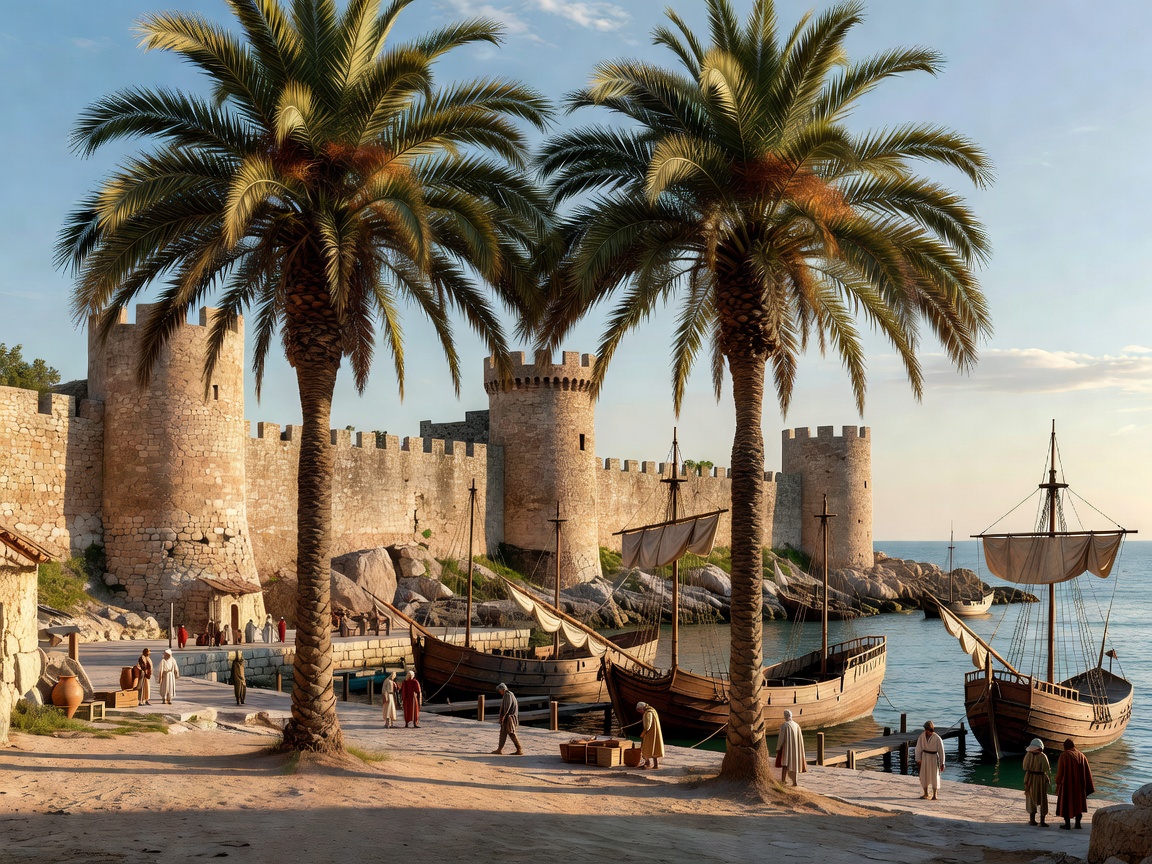
Spain • Costa del Sol
72 Hours
Málaga
Picasso museums, rooftop terraces overlooking the Mediterranean, modern port walks and grilled sardine skewers on the beach.
Transport: 12m Train to Center
Budget: Mid-range
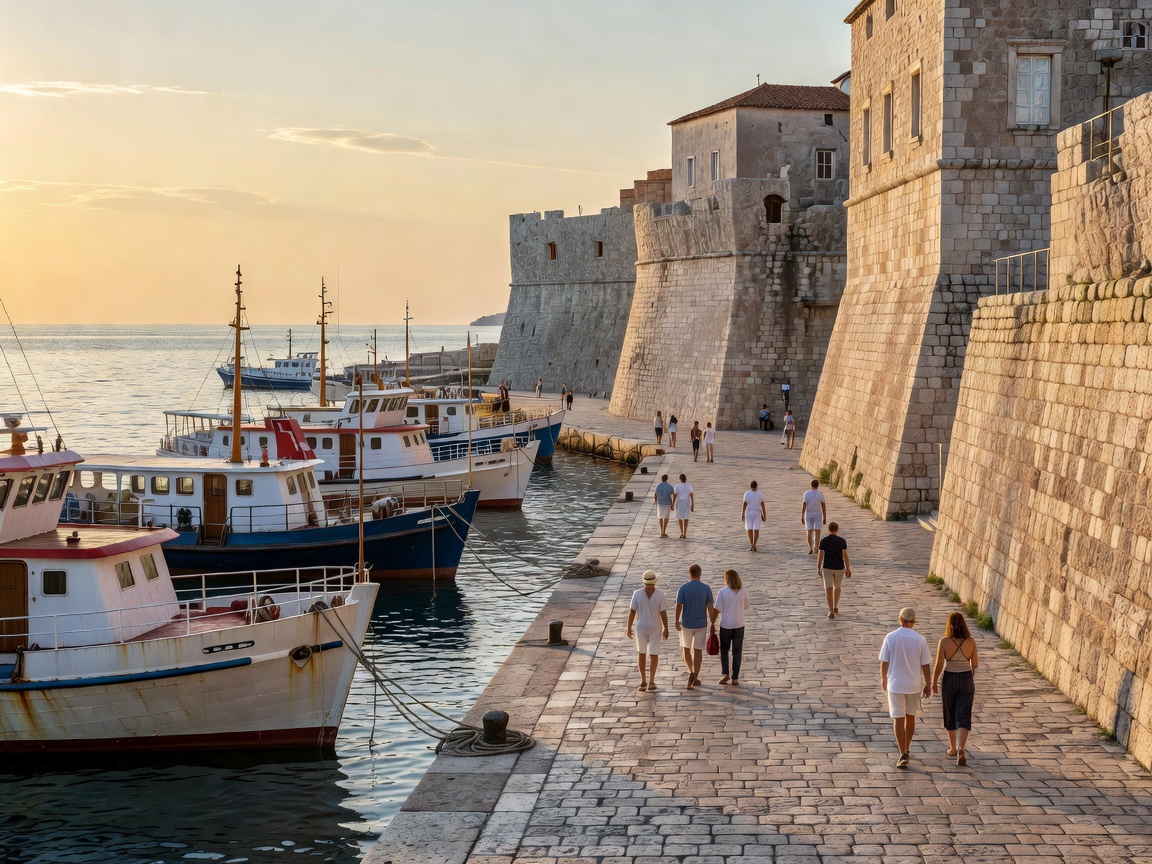
Croatia • Dalmatia
48 Hours
Split
A living ancient Roman palace integrated right into the harbor promenade, filled with wine cellars, seafood konobas and pine forest walks.
Transport: 30m Airport Bus
Budget: Mid-range
Why Waterfront Cities Excel for Short Stays
The magic of coastal escapes lies in the combination of maritime relaxation and vibrant urban culture. In cities like Marseille or San Sebastián, you never have to choose between a swim and an art gallery. You can spend Saturday morning exploring a contemporary museum, Saturday afternoon sitting by the water watching fishing boats, and Saturday night eating fresh seafood at a bustling portside tavern.
Furthermore, waterfront promenades offer built-in walking routes that require zero mental effort. Strolling along the Promenade des Anglais in Nice or the waterfront Riva in Split gives you hours of people-watching with panoramic open horizons.
Weather Realities: What You Should Know
No European destination has guaranteed sunshine, even along the sun-drenched southern coastlines. Winter and early spring in Nice, Alicante or Valletta bring crisp, bright light, but ocean swimming is strictly for the brave. Atlantic coastal spots like Porto or San Sebastián can experience sudden maritime drizzle and coastal fog at any time of year.
Pack layers: a light windbreaker is essential along the Atlantic and Mediterranean seafronts, where evening breezes cool down quickly after sunset.
Travel Note: Coastal Terminology
Konoba: A traditional Dalmatian tavern serving fresh grilled fish, olive oils and local house wine.
Chiringuito: A Spanish beach bar and casual restaurant directly on the sand, famous for cold beer and fresh seafood.
Ideal Weekend Length for Coastal Escapes
For coastal cities with integrated international airports—like Nice, Málaga or Alicante—a 48-hour break works like a charm. You land, take a short train or bus into town, and you are sitting by the water within an hour of touchdown.
For destinations requiring island ferries or winding coastal transfers, like Dubrovnik, the Amalfi Coast or island villages, aim for at least 72 hours. Travel logistics along mountainous shorelines take longer than rail lines across flat plains, so give yourself that extra buffer.
Hungry for Coastal Gastronomy?
From San Sebastián's pintxos to Naples' wood-fired pizza, explore our guide to European food weekends.
Explore Food Weekends