The biggest danger of a cultural weekend is landmark exhaustion. We have all done it: standing in a two-hour security queue for a famous museum at 11:00 AM, only to find yourself jostling with selfie sticks while trying to catch a distant glimpse of a famous canvas. By 15:00, your feet hurt, your patience is gone, and history feels like a chore.
A great cultural weekend does not require seeing everything. It requires seeing two exceptional things thoughtfully, and letting the city itself fill in the gaps. In cities like Florence, Vienna, Rome, Athens, Kraków, Seville, Edinburgh or Bruges, the architecture around your morning coffee has as much historical depth as any ticketed monument.
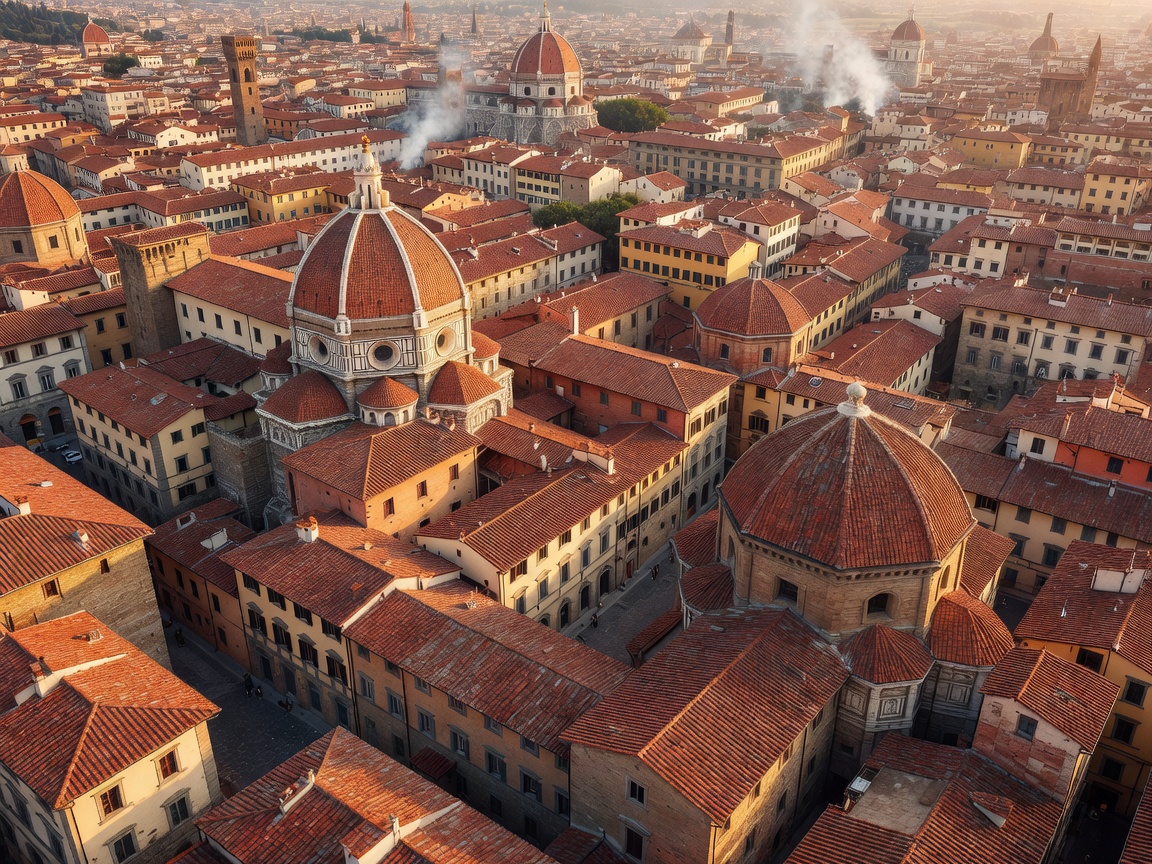
Italy • Tuscany
72 Hours
Florence
The cradle of the Renaissance. Intimate cobblestone streets, grand cathedrals, sculptural courtyards and the peaceful Oltrarno artisan district across the river.
Transport: 20m Tram to Center
Budget: Mid-range to Higher-cost
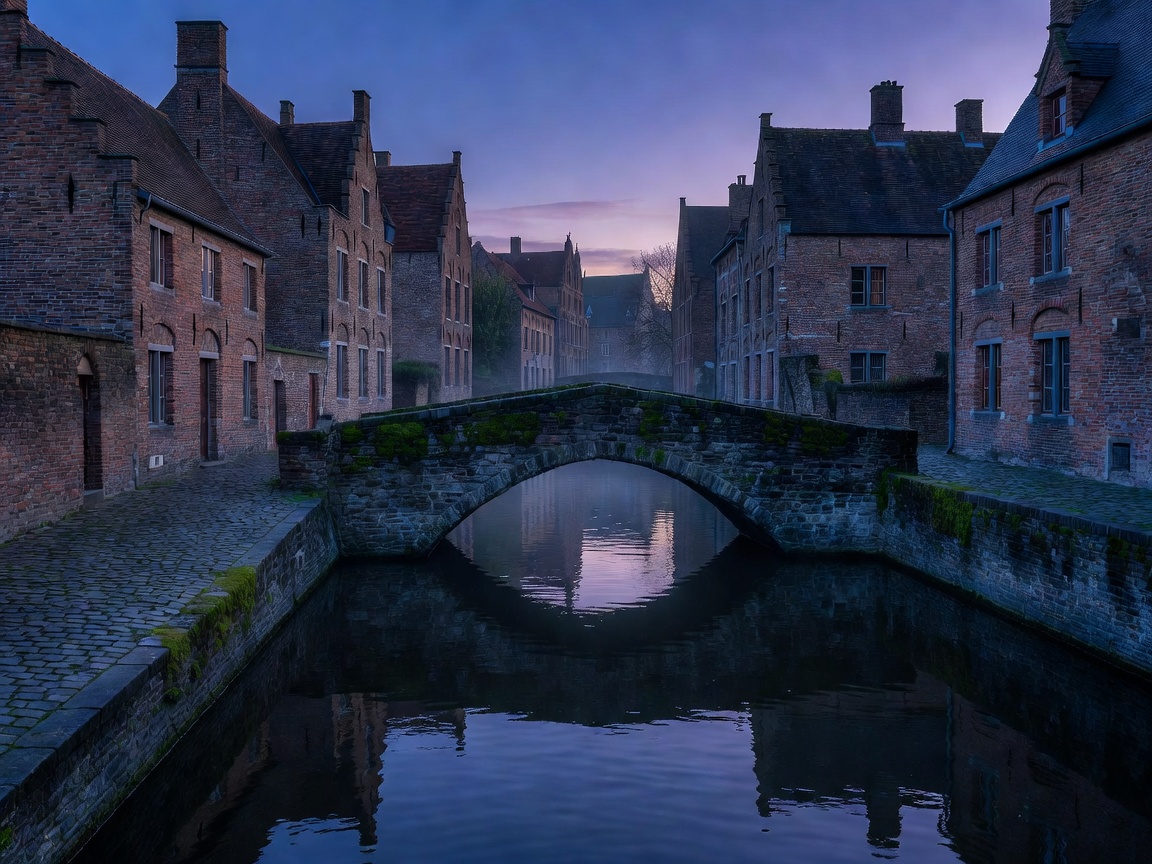
Belgium • Flanders
48 Hours
Bruges
Immaculately preserved Flemish medieval architecture, quiet canal walks, tranquil belfries and world-class early Northern Renaissance art.
Transport: Direct Train from Brussels
Budget: Mid-range
How to Balance Famous Monuments with Quiet Quarters
The smartest weekend formula is the "One Landmark Rule." Choose just one major headline attraction per day—such as the Uffizi Gallery in Florence or the Colosseum in Rome—and book the very first morning time slot. Enter when the doors open, enjoy the masterpieces before the mid-day crowds peak, and finish by midday.
Dedicate the afternoon to the unmonumental side of history. Cross the river to Florence's Oltrarno, wander Rome's leafy Testaccio or Monti quarters, or walk through the Jewish Quarter in Kraków. These neighborhoods showcase how centuries of living human history actually settled into daily life.
Travel Note: Preserving Real History
Historic claims and folklore can be colorful, but reality is often nuanced. Be skeptical of tour claims asserting a tavern is "the oldest in Europe" or that a building was "untouched since antiquity." European heritage is an ever-evolving tapestry of restorations, rebuilds and layered eras.
Ideal Weekend Length for Cultural Trips
For compact medieval centers like Bruges, Tallinn or Kraków, 48 hours is virtually perfect. You can absorb the architectural core on foot, visit the key municipal museums and still have ample time for quiet reading in historic town squares.
For deep archaeological and imperial centers like Rome, Athens or Vienna, 72 hours is strongly advised. With 3 days, you can give each historical epoch the mental space it deserves without turning your weekend break into an endurance test.
Good for Different History Enthusiasts
- Ancient Antiquity: Rome or Athens. Temples, forum ruins and monumental classical stone visible from ordinary city intersections.
- Medieval & Gothic Charm: Bruges, Prague or Kraków. Intact merchant squares, belfries and cobblestone alleys that transport you centuries back.
- Imperial & Renaissance Elegance: Vienna, Florence or Seville. Grand palatial gardens, ornate state rooms and breathtaking civic plazas.
Need to Clear Your Head in the Mountains?
Swap city stone for alpine lakes, quiet pine trails and mountain breezes in our Nature Short Breaks guide.
Explore Nature Breaks